
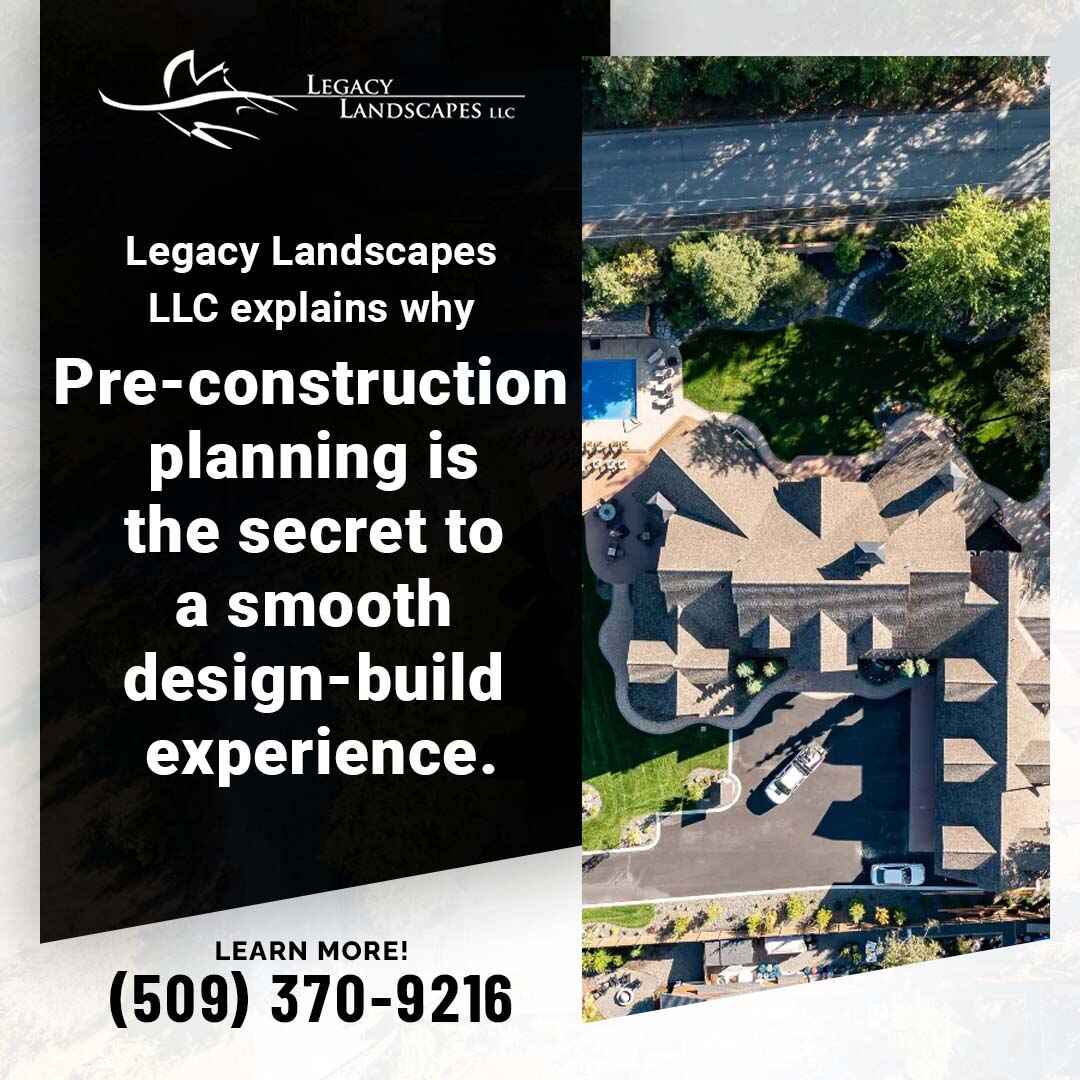
Outdoor construction projects often feel overwhelming before they even begin. Homeowners usually know the result they want but struggle with how to prepare their yard, their schedule, and their expectations. As providers of hardscaping services, we see that uncertainty more often than poor materials or bad weather. Most project stress comes from unclear planning, not the construction itself.
Preparation is what turns a complex outdoor build into a manageable process. When timeline, budget, and scope are defined early, decisions become easier and outcomes more predictable. In this article, we explain how we prepare homeowners for a design-build project, what typically affects schedules and costs, and how early choices shape long-term results.
Key Takeaways
- Early planning has the biggest impact on project success. Clear timelines, defined scope, and budget alignment reduce delays and last-minute changes.
- A fully developed design before construction begins helps control costs and keeps the build moving without interruptions.
- Scope clarity prevents decision fatigue. When features and priorities are set early, homeowners avoid pressure-driven changes during construction.
- Proper base preparation and sequencing protect long-term performance and reduce maintenance issues over time.
- Working with one accountable, in-house design-build team improves communication, quality control, and schedule predictability.
How Timeline Planning Sets the Tone for the Entire Project
A realistic timeline is the backbone of any successful design-build project. Without one, even well-designed spaces can become frustrating experiences. We begin every project by mapping out phases clearly so homeowners understand what happens first, what follows, and why each step matters.
While residential landscaping projects typically follow phases like consultation, design development, and construction, many also include additional steps such as site evaluation, permitting, and close-out services depending on local code requirements and project complexity. Each stage has dependencies. Design cannot progress without site data, and construction should never begin before design details are finalized. Industry research consistently demonstrates that projects using an integrated design-build delivery process, where design is finalized before construction, tend to have faster schedules and fewer change orders compared with traditional design-bid-build projects. One academic benchmarking found design-build deliveries could be about one-third faster than traditional methods, due to better early coordination between design and construction teams.
For homeowners working with a landscape contractor, understanding this sequencing helps prevent rushed decisions. It also reduces delays caused by late material changes or incomplete approvals.
How Site Conditions Affect Scheduling
Every yard introduces variables that influence timing. Soil type, slope, drainage patterns, and access points all affect how construction proceeds. In Eastern Washington, freeze-thaw cycles and compacted soils often require additional base preparation time.
When planning landscape design services in Spokane, WA, we evaluate these conditions early so excavation, compaction, and installation occur in the correct order. This proactive approach avoids rework and protects the schedule. It also ensures inspections and deliveries align instead of overlapping.
Defining Project Scope Before Design Begins
Scope defines what the project includes and, just as importantly, what it does not include. Without a clear scope, projects tend to expand during construction, which almost always leads to higher costs and longer timelines.
Before design work begins, we focus on functional needs. This includes circulation paths, elevation changes, retaining requirements, and long-term usability. As a landscape designer, our role is to translate how homeowners want to live outside into defined spaces that support those activities.
A clear scope creates boundaries. It allows designs to be intentional rather than reactive and gives homeowners confidence that what is being built matches what was planned.
Avoiding Mid-Project Decision Fatigue
Decision fatigue is common when the scope is unclear. Homeowners may feel pressured to approve changes quickly once construction is underway. During landscape design in Spokane, we see better outcomes when choices are made early, not under time pressure.
Defining scope upfront allows time for thoughtful material selection and layout refinement. It also makes permit reviews smoother and prevents last-minute revisions that disrupt progress.
Budget Planning That Reflects Real Construction Costs
Budget conversations are often where anxiety peaks. Many homeowners underestimate how much preparation work influences total cost.
When providing landscape contractor services in Spokane, we break budgets into clear categories so homeowners understand where their investment goes. Size, grading complexity, access limitations, and material selection all play measurable roles in final cost.
Transparent budgeting allows homeowners to prioritize what matters most. It also creates room for informed trade-offs without sacrificing structural integrity.
Why Cutting Corners Usually Costs More Later
Shortcuts in construction almost always show up later as repairs. Industry practitioners often attribute the majority of paver installation failures to inadequate base preparation rather than material defects. For example, in practical installation guidance, experts note that poor base construction is the leading cause of paver performance issues and premature settlement.
As providers of hardscaping services in Spokane, WA, we emphasize correct preparation because it protects long-term performance. Spending appropriately on foundation work reduces maintenance needs and extends the life of the space. Budgeting for quality upfront is rarely regretted.
Why Integrated Design-Build Coordination Matters
Design-build projects work best when one team owns both planning and execution. Fragmented responsibilities often lead to miscommunication, design drift, and scheduling conflicts.
As a landscape contractor, we manage design and construction as one coordinated process. This structure ensures that design intent is preserved during installation and that adjustments happen efficiently when conditions require flexibility.
Clear accountability also simplifies communication. Homeowners know who to contact, and decisions move faster without layers of approval.
Reducing Construction Friction Through Collaboration
On-site conditions sometimes reveal new information once excavation begins. When designers and builders work together, those discoveries are addressed immediately. During landscape design in Spokane, this collaboration is especially valuable due to soil variability and drainage considerations.
Instead of halting progress, integrated teams adapt while staying within the defined scope. That responsiveness keeps projects moving and maintains quality without compromising the plan.
Preparing Your Property Before Construction Starts
Preparation is not limited to contractors. Homeowner readiness plays a significant role in how smoothly construction begins.
Before starting landscape contractor services in Spokane, we review logistics such as equipment access, material staging areas, and utility markings. Clearing personal items and understanding temporary access changes helps prevent unnecessary disruptions.
Preparation also includes mental readiness. Construction is temporary, but expectations last throughout the project.
Setting Expectations For The Build Phase
Noise, dust, and limited access are normal during construction. Clear communication before the build reduces frustration and builds trust. As providers of landscape design and hardscaping services, we outline weekly milestones so homeowners know what progress looks like at each stage.
When homeowners understand the sequence, temporary inconvenience feels purposeful. Confidence grows when they can see how each phase contributes to the finished space.
How Our In-House Design-Build Process Reduces Risk
One of the most common frustrations homeowners face is managing multiple contractors who do not share responsibility. Design decisions get lost in translation, schedules slip, and accountability becomes unclear. We built our process specifically to significantly reduce that risk by keeping everything under one roof.
At Legacy Landscapes LLC, we handle consultation, design, and construction with an in-house team from start to finish. That structure allows us to more effectively manage quality, communication, and improve schedule predictability without relying on subcontractor handoffs. When the same team designs and builds the project, details stay consistent from concept through completion.
Our role is to guide homeowners through each phase so decisions are made with confidence instead of pressure.
Why An Accountable Team Matters During Construction
When questions arise on-site, answers are immediate. Designers and builders collaborate in real time, which keeps progress moving and prevents costly pauses. This coordination is especially important when dealing with grading, drainage, and structural elements that require precise execution.
Designing Outdoor Spaces That Balance Function and Longevity
A successful outdoor space must do more than look good on day one. It needs to function well over time and withstand local conditions. Our design approach is built around five core principles: Aesthetics, Scale, Balance, Function, and Flow. These standards guide every decision we make.
We start by understanding how the space will be used daily. Seating areas, walkways, elevation changes, and transitions between features are planned with movement and comfort in mind. This prevents common issues such as overcrowded patios or disconnected zones that feel awkward once built.
By addressing usability early, we reduce the likelihood of regret-driven changes after construction.
Building For Local Conditions And Long-Term Performance
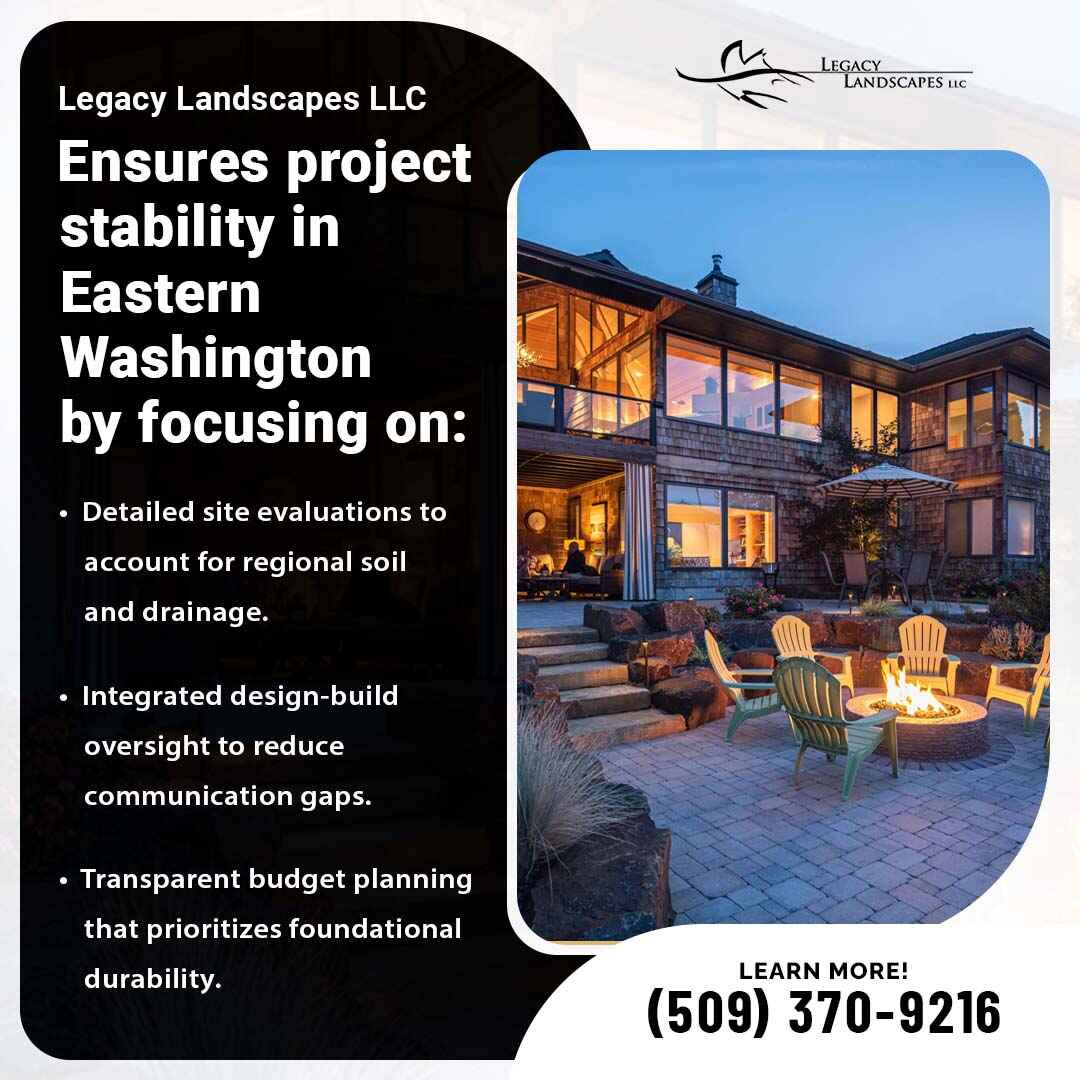
Outdoor structures must perform in real environments, not just renderings. Soil conditions, drainage patterns, and seasonal weather all influence design decisions. We account for these factors during planning, so finished spaces remain stable and low-maintenance over time.
The result is an outdoor environment that feels cohesive, works naturally with the home, and continues to perform long after the final walkthrough.
Transform Your Outdoor Space With Legacy Landscapes LLC
Preparing your yard for a design-build project requires more than inspiration. Clear timelines prevent delays, defined scope protects budgets, and realistic planning reduces stress. When these elements are addressed early, the entire process becomes more predictable and far less overwhelming.
At Legacy Landscapes LLC, we view preparation as the foundation of exceptional outdoor living spaces. Our in-house design-build approach ensures thoughtful planning leads to smoother builds and results that perform as beautifully as they look. For homeowners ready to create a custom outdoor environment that elevates their lifestyle, schedule a consultation with us at (509) 370-9216 or [email protected] to bring your vision to life.